Top 10 Historical Places to Visit in Mumbai
Mumbai's historical landmarks (Gateway of India, Elephanta Caves, Chhatrapati Shivaji Terminus, Kanheri Caves) with history and tips.
The Heritage of the Island City
Mumbai’s history is a story of transformation. Originally a group of seven swampy islands inhabited by Koli fishermen, it was gifted to the British Crown as part of the dowry of Portuguese Princess Catherine of Braganza in 1661. Through massive land reclamation projects and the boom of the cotton trade, it grew into India's premier commercial port. Today, the city’s streets are lined with historic colonial structures, ancient rock-cut temples, and monuments.
For travelers, Mumbai’s history is highly visible. You can stand under the basalt arch of the Gateway of India, take a ferry to the 5th-century cave temples of Elephanta, or admire the Victorian Gothic architecture of the Chhatrapati Shivaji Terminus. In this guide, we explore the top 10 historical places to visit in Mumbai, detailing their history, timings, and travel tips.
The Historical Eras of Mumbai
- The Ancient Rock-Cut Era (5th-9th Century): Marked by rock-cut Buddhist and Hindu cave temples (Elephanta Caves, Kanheri Caves) carved into the basalt hills of the region.
- The Portuguese & Maratha Era (16th-17th Century): Marked by seaside fortresses like Vasai Fort, Castella de Aguada (Bandra Fort), and temples.
- The British Victorian Era (19th-20th Century): Marked by grand Gothic Revival public buildings in South Mumbai (Fort, Colaba), including the High Court and University structures.
Reviews of Mumbai's Top Historic Sites
1. The Gateway of India (Colaba)
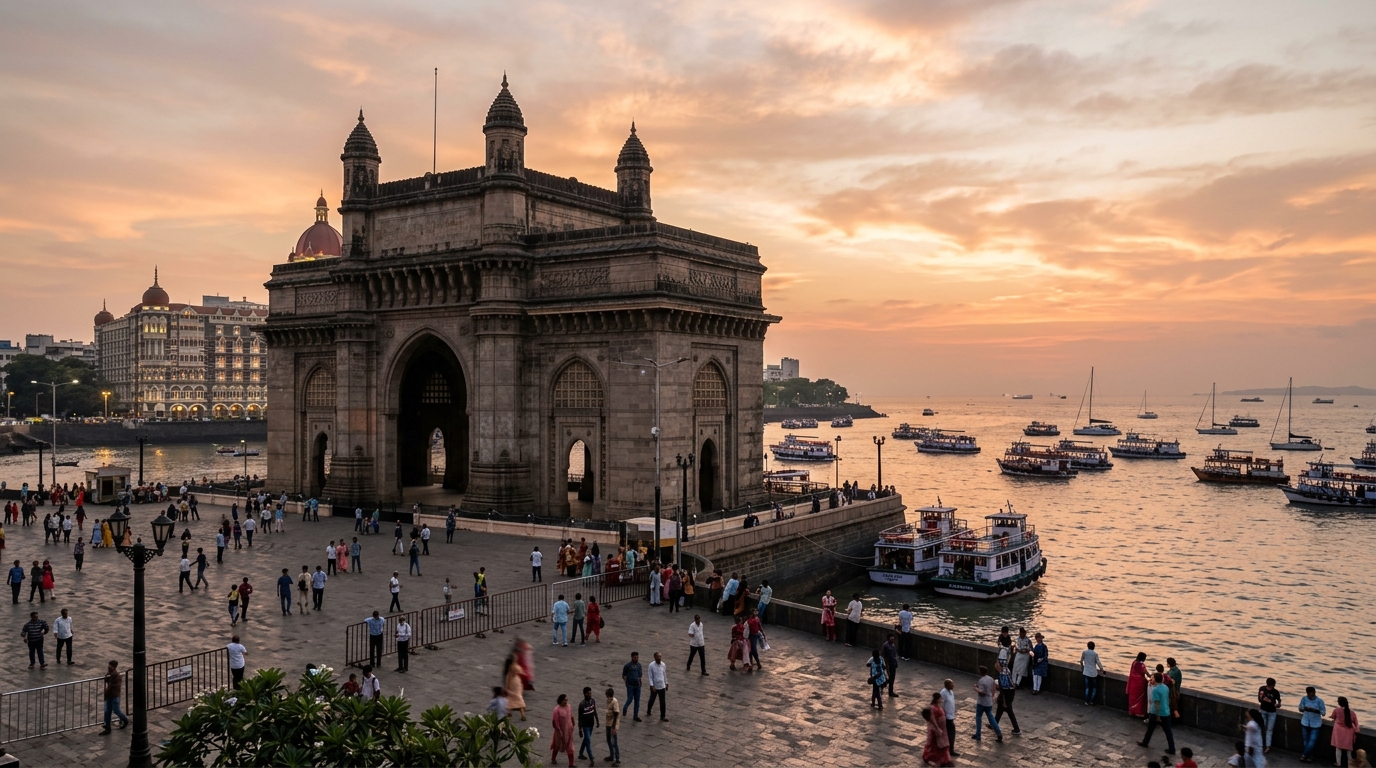
Built to commemorate the visit of King George V and Queen Mary to India in 1911, this basalt arch stands on the waterfront of Colaba.
- The Design: Designed by architect George Wittet, it combines Roman triumphal arch elements with traditional 16th-century Gujarati architectural details.
- The History: It was the symbolic point of departure for the last British troops leaving India in 1948.
- Visitor Tip: The plaza is highly crowded on weekends. Visit at sunrise for peaceful photography and cooler sea breezes.
2. Chhatrapati Shivaji Maharaj Terminus (CSMT) (Fort Area)
Formerly Victoria Terminus, CSMT is a UNESCO World Heritage Site and one of the most beautiful railway stations in the world.
- The Design: Designed by Frederick William Stevens and completed in 1888, it is a masterpiece of Victorian Gothic Revival architecture combined with traditional Indian palace features.
- The Highlights: Admire the massive central stone dome, stained-glass windows, and stone carvings of lions and tigers.
3. Elephanta Caves (Elephanta Island)
Located on an island in Mumbai harbor, about 10 km east of Apollo Bunder.
- The Design: A complex of rock-cut temples dating back to the 5th to 8th centuries. The main cave is dedicated to Lord Shiva and houses the legendary 6-meter-tall Sadashiva sculpture (three-faced Shiva representing creator, preserver, and destroyer).
- Getting There: Take a 1-hour ferry ride from the Gateway of India jetty. Ferries operate daily (except Mondays) from 9:00 AM to 5:00 PM.
Practical Tips for Heritage Tours in Mumbai
- Use the Local Trains: South Mumbai’s heritage sites are concentrated in the Fort and Colaba areas, within walking distance of CSMT or Churchgate railway stations. Bypassing taxi traffic via local trains saves time.
- Book Ferry Tickets Early: For Elephanta Caves, buy your ferry tickets at the Gateway ticket booths before 10:00 AM to secure seats on the earlier, less crowded boats.
- Carry Cash: Entry tickets for monuments are nominal, but shoe stands at active shrines and local ferry terminals operate primarily on cash.